

x
N O A

Gynec oncology

Surgery options

Surgeries

At Niramaya Oncology Associates, we provide top-tier healthcare treatment services, offering exceptional, personalized care tailored to meet your unique needs and ensure the best possible outcomes.

Minimally invasive surgery

Minimally invasive surgery is a modern surgical technique that uses small incisions and advanced tools to perform complex procedures with precision and minimal disruption to surrounding tissues. Methods like laparoscopy and robotic-assisted surgery employ tiny cameras and specialized instruments to access internal organs, providing surgeons with enhanced visibility and control. This approach offers numerous benefits, including reduced postoperative pain, shorter hospital stays, faster recovery times, and lower risks of infection and complications.

NOA

Surgery for Uterine cancer

Surgery for uterine cancer, typically the first line of treatment, aims to remove the cancerous tumor and prevent its spread. The most common surgical procedure is a hysterectomy, which involves the removal of the uterus. Depending on the stage and extent of the cancer, a total hysterectomy may also involve removing the cervix, ovaries, and fallopian tubes (salpingo-oophorectomy), and sometimes nearby lymph nodes. In early-stage uterine cancer, surgery is often curative, but more advanced stages may require additional treatments such as chemotherapy or radiation therapy. Minimally invasive techniques, including laparoscopic or robotic-assisted surgery, are increasingly used to reduce recovery times, minimize pain, and shorten hospital stays, offering patients quicker returns to daily life.

NOA

Surgery for Cervix cancer

Surgery for cervical cancer typically involves the removal of the tumor and surrounding tissues to prevent cancer spread. The type of surgery depends on the cancer’s stage, size, and whether the patient wishes to preserve fertility. For early-stage cervical cancer, a common procedure is a conization or LEEP (Loop Electrosurgical Excision Procedure), which removes the cancerous tissue from the cervix. In more advanced stages, a hysterectomy (removal of the uterus, cervix, and sometimes surrounding structures like ovaries or lymph nodes) may be necessary. For women with localized cervical cancer, radical hysterectomy is often performed, which also involves removal of part of the vagina and surrounding tissues. Minimally invasive options, such as laparoscopic or robotic-assisted surgery, offer quicker recovery, less pain, and smaller scars compared to traditional open surgery.

NOA

Surgery for Vulva cancer

Surgery for vulvar cancer typically involves the removal of the cancerous tumor and surrounding tissue, with the goal of achieving clear margins while preserving as much healthy tissue as possible. The extent of the surgery depends on the size and stage of the cancer. For early-stage vulvar cancer, a local excision may be performed to remove the tumor along with margin of healthy tissue. In more advanced cases, a radical vulvectomy, which involves the removal of a larger portion or all of the vulva, may be necessary. Additionally, lymph node dissection may be performed to check for cancer spread to the lymph nodes in the groin. Minimally invasive surgery, such as robotic-assisted procedures, is becoming more common and offers benefits like reduced recovery time, less pain, and smaller incisions. After surgery, reconstructive surgery may be considered to restore appearance and function, improving the patient’s quality of life.

NOA

Surgery for Ovarian cancer

Surgery for ovarian cancer is a crucial part of the treatment plan, especially for early-stage cancer. In early-stage ovarian cancer, a total abdominal hysterectomy (removal of the uterus, ovaries, and fallopian tubes) is often performed, along with the removal of nearby lymph nodes and other affected tissues. For advanced ovarian cancer, neoadjuvant chemotherapy is given to reduce the tumour burden and then debulking surgery is done which aims to remove as much tumor mass as possible to improve the effectiveness of subsequent chemotherapy. Minimally invasive options, such as laparoscopy or robotic-assisted surgery, may be used for smaller tumors, providing the benefits of smaller incisions, reduced pain, and faster recovery. Surgery is often followed by chemotherapy to target any remaining cancer cells. The extent of the surgery depends on the stage of the cancer, and fertility-sparing options may be considered for younger patients with early-stage cancer who wish to preserve their ability to have children.

NOA
Fast track your treatment

To book an appointment or speak with one of our friendly team, please get in touch using the option below.

Services

Services

At Niramaya Oncology Associates, we provide top-tier healthcare treatment services, offering exceptional, personalized care tailored to meet your unique needs and ensure the best possible outcomes.

NOA

Multidisciplinary Treatment Planning

Multidisciplinary treatment planning in gynecologic oncology involves a collaborative team of specialists, including gynecologic oncologists, surgeons, medical oncologists, and radiation oncologists, to create a personalized treatment plan. This approach ensures the best possible care by combining surgery, chemotherapy, radiation, and other therapies based on the cancer’s type, stage, and the patient’s needs. The goal is to provide effective treatment while preserving quality of life and addressing emotional and physical well-being.

Genetic counselling

Genetic counseling in gynecologic oncology helps individuals understand their genetic risk for certain cancers, such as ovarian or breast cancer, by analyzing family history and genetic testing results. A genetic counselor educates patients about inherited mutations, such as BRCA1 and BRCA2, that may increase cancer risk and discusses available screening options, preventive measures, and treatment choices. This counseling empowers patients to make informed decisions about their healthcare, including early detection, preventive surgery, or targeted therapies. It also provides emotional support, helping individuals cope with the potential implications of genetic findings.

NOA
NOA

Fertility Preservation & Pregnancy Clinic

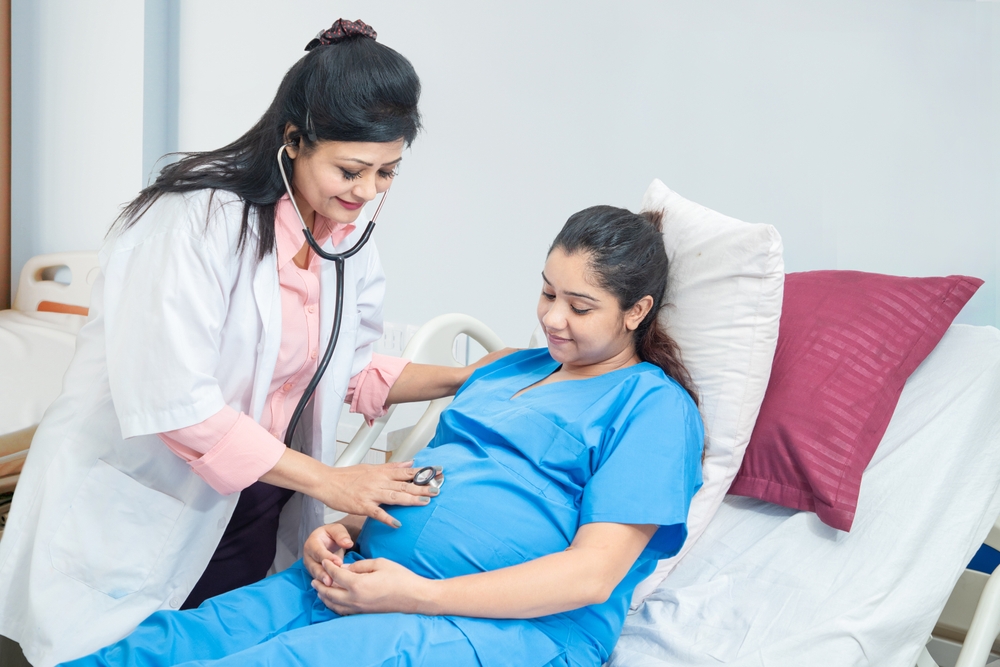
Fertility preservation in gynecologic oncology involves techniques to protect a patient’s ability to have children before undergoing cancer treatment that may affect fertility, such as chemotherapy or radiation. Options like egg freezing, embryo freezing, or ovarian tissue preservation can be discussed with patients. The Pregnancy Clinic offers specialized care for women who wish to preserve fertility during cancer treatment or pursue pregnancy after cancer recovery. These services ensure that patients have access to the necessary support, guidance, and options to make informed decisions about their reproductive health.

Prevention and treatment of lymphedema

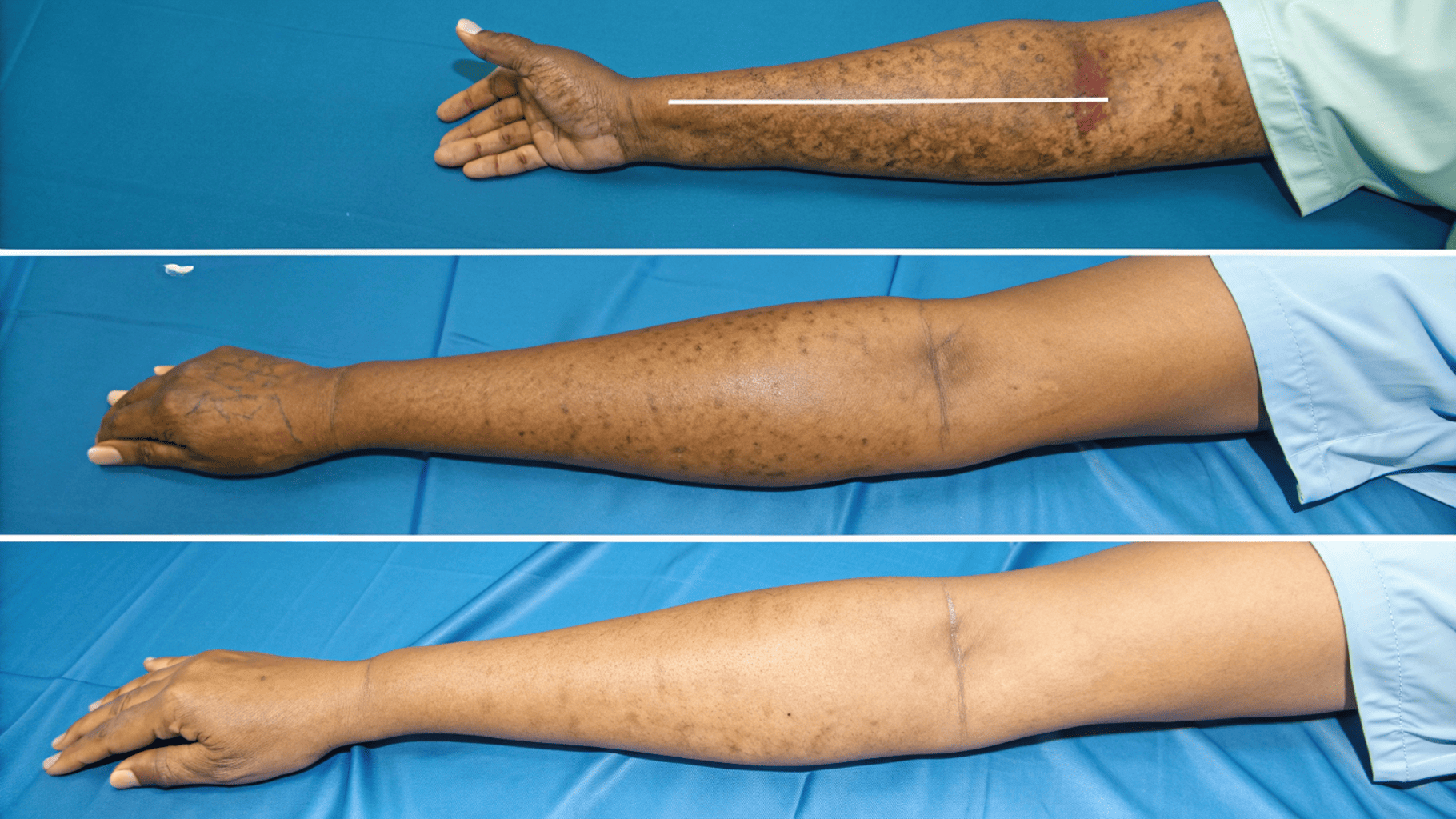
Prevention and treatment of lymphedema in gynecologic oncology focuses on managing the swelling that can occur when lymph nodes are removed or damaged during cancer treatment, particularly in procedures like lymph node dissection. Preventive measures include proper skin care, exercise, and techniques to minimize fluid buildup. Treatment options include manual lymphatic drainage (MLD), compression garments, and physical therapy to reduce swelling and improve lymphatic drainage. In some cases, more advanced interventions like lymphatic surgery may be considered. Early detection and management are key to improving quality of life and preventing long-term complications from lymphedema.

NOA
NOA

Geriatric Cancer Care

Geriatric cancer care focuses on the unique needs of older adults diagnosed with cancer, addressing both the cancer itself and the complexities of aging. This approach involves a comprehensive assessment of the patient’s overall health, including coexisting medical conditions, physical function, and mental health, to tailor treatment plans that are both effective and manageable. Treatment options may be adjusted to account for the patient’s age, frailty, and potential side effects, with a focus on maintaining quality of life. Support services, including palliative care, rehabilitation, and emotional support, are integral parts of geriatric cancer care to ensure holistic well-being throughout the treatment process.

Book Your Appointment Today

Your journey to better health
starts here at NOA.

Book Your Appointment Today

Your journey to better health starts here at NOA.

    Meet Our Doctors

    People behind our success

    Meet our exceptional team of highly skilled surgical oncologists, experts in cancer surgery. With extensive experience, they create personalized treatment. Committed to compassionate, patient-centered care, they strive for the best possible outcomes in the fight against cancer.

    Dr. Rajiv Bhatt

    Surgical Oncologist

    Dr. Ankit Shah

    Surgical Oncologist

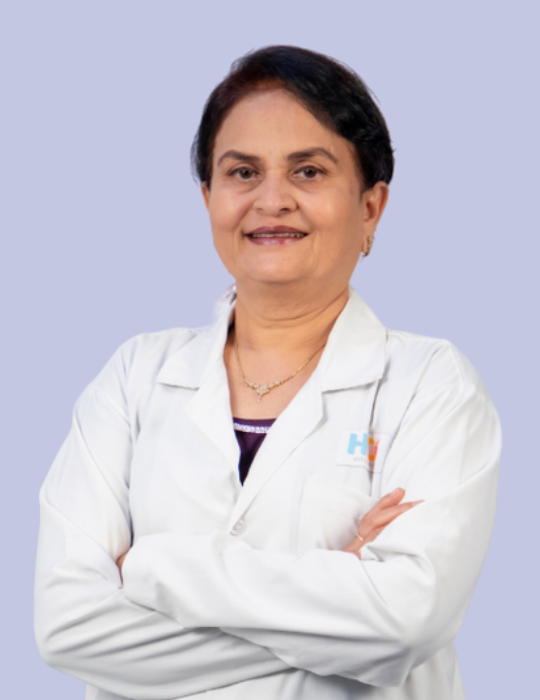
    Dr. Mona Bhatt

    Obstetrics And Gynecologist
    Testimonial

    What Our Patients Say

    Don’t just take our word for it—hear from our satisfied clients about their exceptional experiences partnering with NOA. They’ve shared glowing feedback on the personalized support and impactful results we’ve delivered.

    Media Room

    Our Doctors in media

    Meet our exceptional team of highly skilled surgical oncologists, experts in cancer surgery. With extensive experience, they create personalized treatment. Committed to compassionate, patient-centered care, they strive for the best possible outcomes in the fight against cancer.

    Book Your Appointment Today

    Get Opinion from Experts

    Blogs & News

    Explore our latest blogs

    Discover the latest updates and expert opinions from the world of oncology and healthcare. Our blogs cover breakthrough treatments, health tips, and valuable insights to guide your wellness journey.

    Book Your Appointment Today

    Get Opinion from Experts