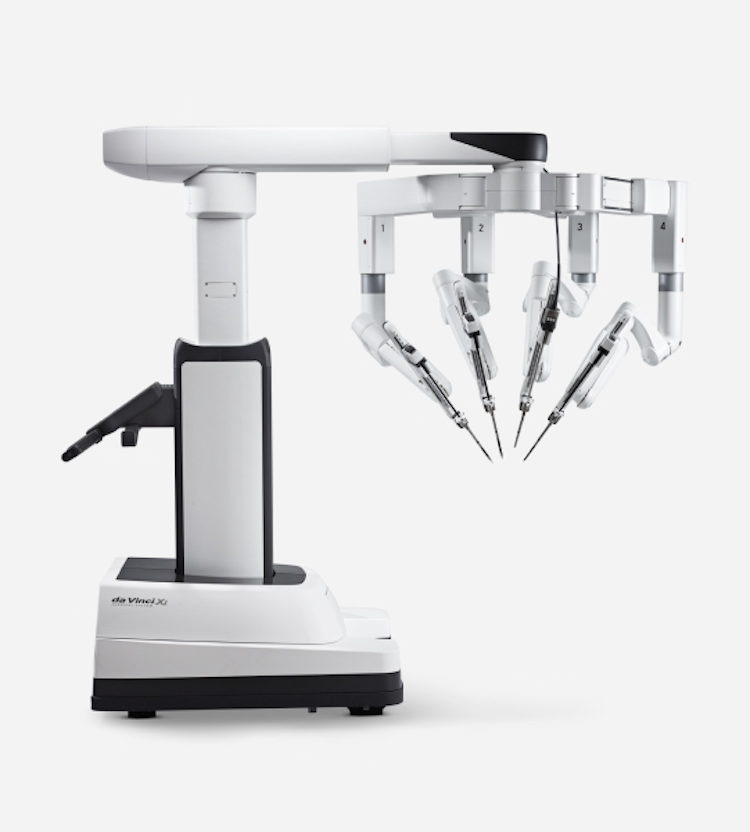
Laparoscopy is one of the components of minimal access surgery. It involves small incisions, a high-definition camera, and specialized instruments to execute procedures with precision. This advanced approach minimizes scarring, reduces pain, and speeds up recovery, making it a preferred choice for patients needing minimally invasive solutions.
This surgical procedure is very widely used in the various specialties of medicine, including GI surgery, thoracic surgery, gynecological surgery, and urological surgery. It is commonly applied in the removal of the gallbladder, hernia repair, hysterectomy, and kidney surgeries, thereby giving good treatment options with minimal body disturbance.
Advantages
- Small incisions lead to rapid healing and less scarring.
- Shorter hospital stay and recovery period.
- Less blood loss and less postoperative pain.
- Improved accuracy and visibility with high-definition imagery.
Disadvantages
- Only available with specialized training and expensive equipment.
- Not practical for all conditions or in complicated cases.
- Conversion to open surgery may be necessary if complications develop.