x
N O A

Rehabilitation Programme

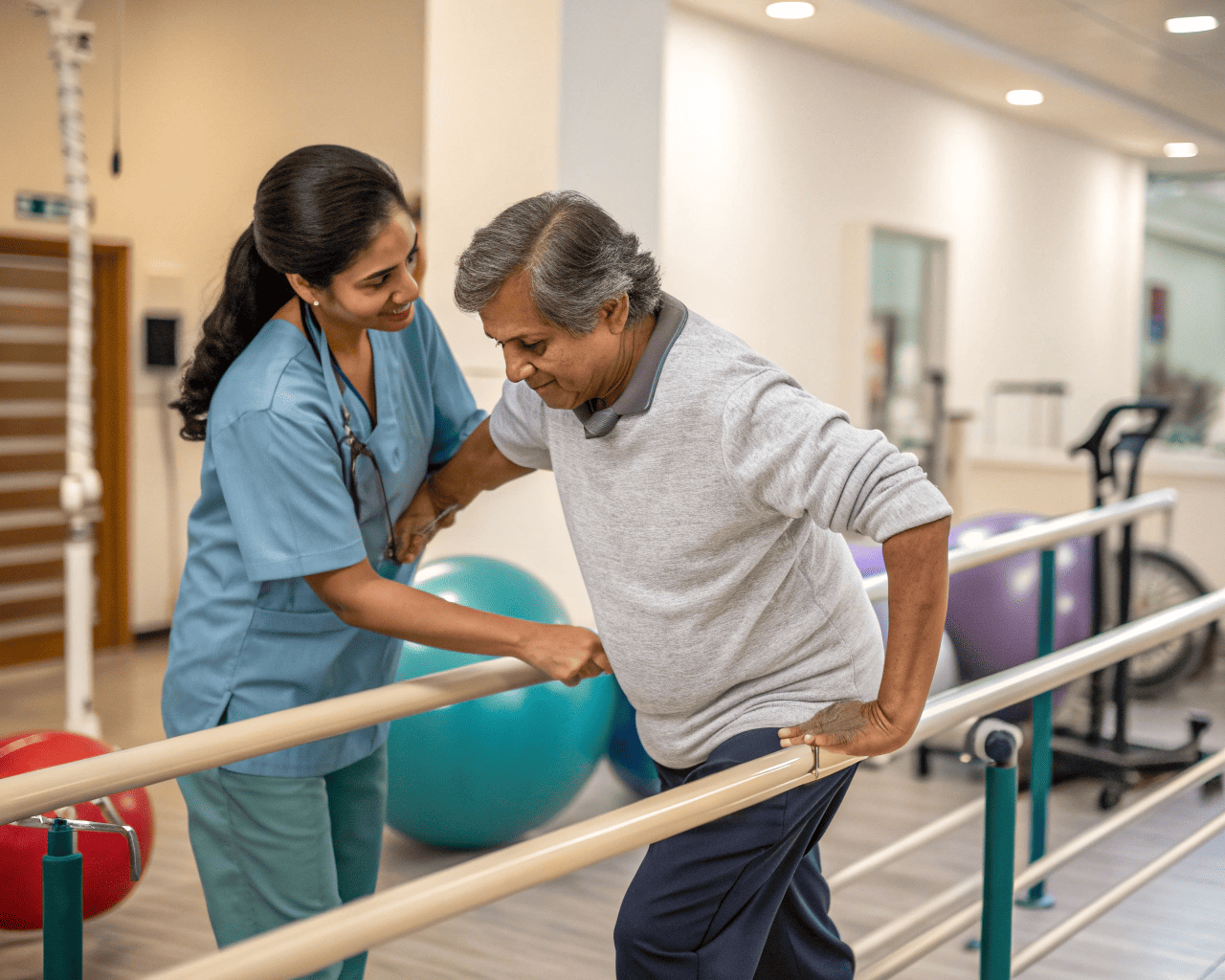
Physical Rehabilitation

Cancer treatments, such as surgery, chemotherapy, and radiation, can lead to a range of physical impairments. Physical rehabilitation programs help patients regain strength, mobility, and function. These programs are individualized to meet the specific needs of each patient, based on their cancer type, treatment history, and current physical condition.

Exercise Therapy: Exercise is one of the most beneficial components of cancer rehabilitation. Structured physical activity helps manage fatigue, improve cardiovascular health, build muscle strength, reduce the risk of cancer recurrence, and improve overall well-being. Exercise programs are typically tailored to the patient’s fitness level, with a combination of aerobic, strength, and flexibility training. Research has shown that regular exercise can significantly reduce cancer-related fatigue and improve mood, both of which are common challenges for survivors.

Physical Therapy (PT): Many cancer patients experience musculoskeletal issues, such as joint pain, stiffness, or weakness, which can limit mobility and independence. Physical therapists work with patients to improve range of motion, strengthen muscles, and address specific challenges related to cancer treatments. For example, physical therapy may be prescribed for patients who have undergone breast surgery, to address lymphedema, or for those who have experienced surgical resection in the pelvis or limbs, improving mobility and function.

Lymphedema Management: Lymphedema is a common side effect of cancer treatments, particularly in breast cancer patients who undergo lymph node dissection. Specialized rehabilitation programs address lymphedema through manual lymphatic drainage, compression garments, exercise, and skin care. In some cases, surgical options like lymphatic bypass surgery may be explored.

Pain Management: Cancer and its treatments can lead to chronic pain, including neuropathic pain, joint pain, and muscular discomfort. Rehabilitation programs often include pain management techniques, such as modalities (e.g., heat/cold therapy), transcutaneous electrical nerve stimulation (TENS), and myofascial release therapy. These therapies aim to reduce discomfort, improve mobility, and increase overall quality of life.


NOA
NOA

Occupational Therapy (OT)

Occupational therapy is an integral part of cancer rehabilitation, focusing on improving the patient’s ability to perform daily activities and regain independence. This may include tasks such as dressing, cooking, cleaning, or driving. OT can help cancer patients learn adaptive techniques or use assistive devices to perform these activities more easily.

Fatigue Management: Cancer-related fatigue is one of the most common and debilitating side effects of cancer treatment. Occupational therapists can assist patients with energy conservation techniques, time management strategies, and advice on pacing themselves to help manage fatigue throughout the day.

Cognitive Rehabilitation: Some cancer treatments, especially chemotherapy, can result in cognitive impairments commonly referred to as “chemobrain.” Occupational therapists can assist in cognitive training exercises to help improve memory, concentration, and other cognitive functions that might be affected. In addition, they may work on strategies for managing multitasking or organizing tasks.

Scar Management: For patients who have had surgery (e.g., mastectomy, abdominal resection), occupational therapists can help with scar management techniques and recommend strategies for minimizing scar tissue formation and maximizing movement around the scarred area. They may also recommend specialized garments for post-surgical recovery, such as compression garments or prosthetics.

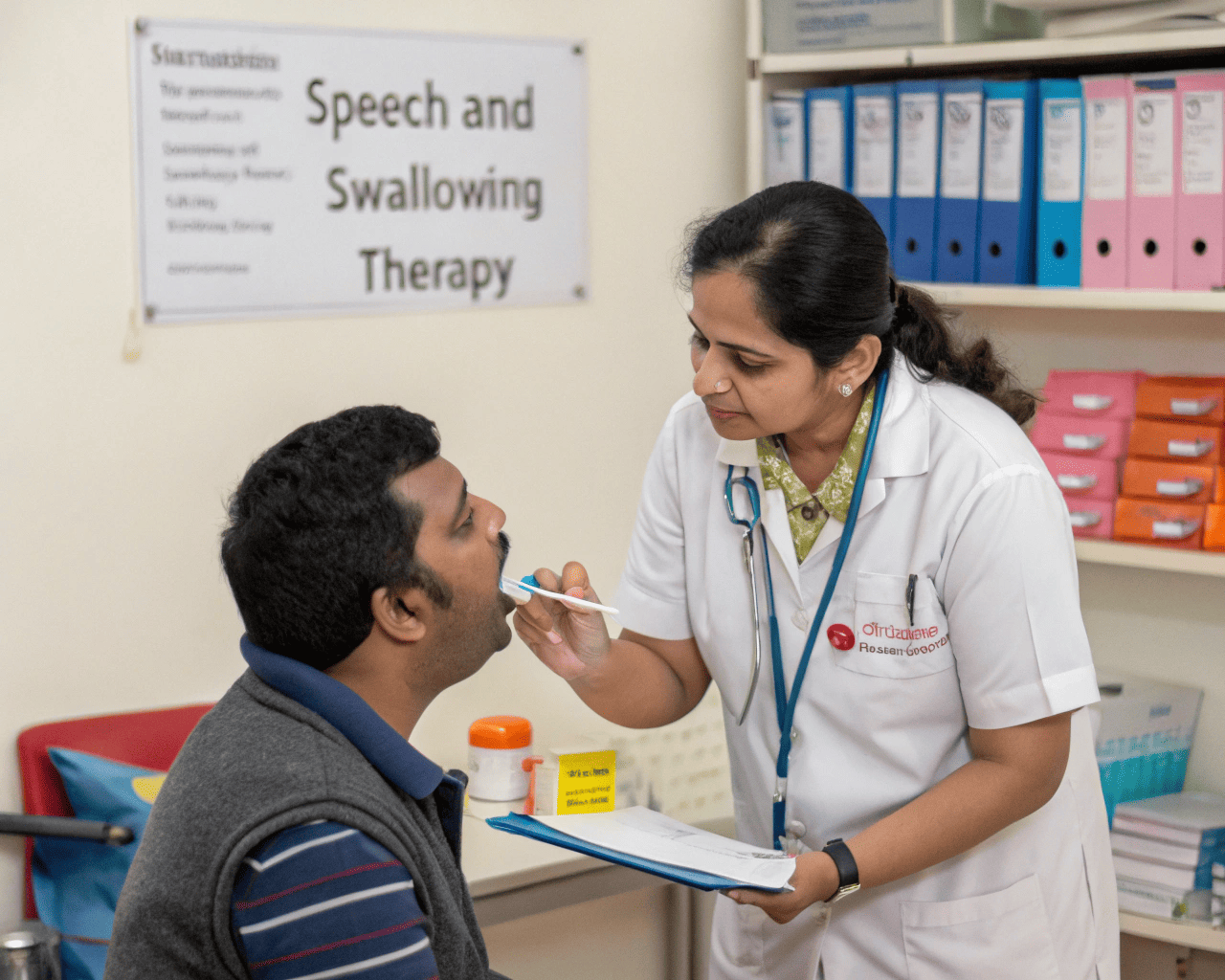
Speech and Swallowing Therapy

Cancer treatments affecting the head, neck, or mouth can impair speech and swallowing. Rehabilitation programs for these issues are critical for patients who have undergone surgeries for cancers such as oral, throat, or esophageal cancers.

Speech Therapy: Speech therapists work with patients to help them regain their ability to speak clearly. This may include exercises to strengthen the muscles involved in speech production, as well as techniques to help patients communicate effectively if their voice or speech is affected.

Swallowing Therapy: For patients who experience dysphagia (difficulty swallowing) after head or neck surgery or radiation, speech therapists can provide specialized exercises to improve swallowing function. This includes muscle strengthening exercises, postural modifications during eating, and dietary modifications to reduce the risk of choking or aspiration pneumonia.

NOA
NOA

Psychological and Emotional Support

Cancer rehabilitation extends beyond physical recovery and includes emotional and psychological support to help patients cope with the challenges of diagnosis and treatment.

Psychosocial Counseling: Cancer patients often experience anxiety, depression, or post-traumatic stress disorder (PTSD) during and after treatment. Psychosocial counseling, provided by psychologists or licensed counselors, helps patients manage these feelings. Cognitive behavioral therapy (CBT), mindfulness, and stress reduction techniques can be helpful in reducing emotional distress and improving mental health.

Support Groups: Many cancer centers offer group therapy or support groups, where patients can share experiences, offer advice, and connect with others facing similar challenges. These groups help reduce isolation and provide emotional support. Peer support can be especially valuable in addressing the psychological challenges of living with cancer and its side effects.

Mind-Body Therapies: In addition to conventional therapies, some cancer rehabilitation programs incorporate mind-body interventions, such as meditation, yoga, or tai chi. These practices have been shown to reduce stress, improve mood, and promote overall well-being in cancer survivors.

Rehabilitation for Survivors

Rehabilitation doesn’t end when cancer treatment is over. Survivorship rehabilitation programs help patients adjust to life after treatment, dealing with any lasting physical or emotional effects. This could include long-term management of chronic pain, addressing mobility impairments, continuing mental health support, and helping patients return to work or daily activities.

Survivorship Programs: Cancer centers often offer specialized survivorship programs that address the long-term effects of cancer and its treatments. These programs focus on the physical and emotional challenges cancer survivors face, including fatigue, cognitive changes, emotional health, and the prevention of secondary cancers.

Return to Work or Social Reintegration: Many cancer survivors face challenges returning to work or engaging in social activities after treatment. Rehabilitation can help ease this transition by providing vocational counseling, strategies for managing fatigue, and support in adjusting to any physical limitations.

NOA

Meet Our Doctors

Book Your Appointment Today

Your journey to better health
starts here at NOA.

Book Your Appointment Today

Your journey to better health starts here at NOA.