x
N O A

Plastic & Reconstructive Surgery

Fast track your treatment

To book an appointment or speak with one of our friendly team, please get in touch using the option below.

Services

Services

At Niramaya Oncology Associates, we provide top-tier healthcare treatment services, offering exceptional, personalized care tailored to meet your unique needs and ensure the best possible outcomes.

NOA

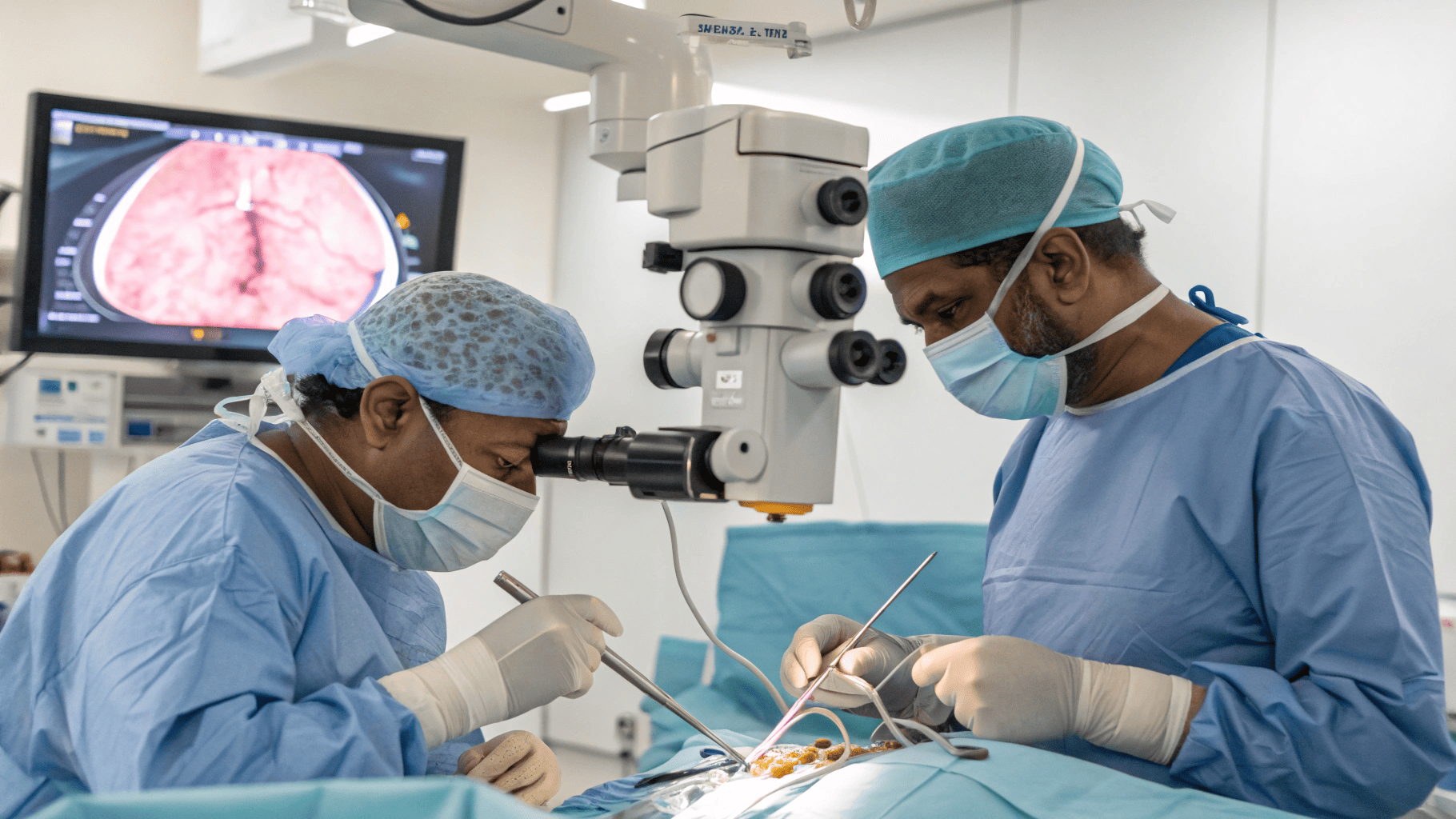
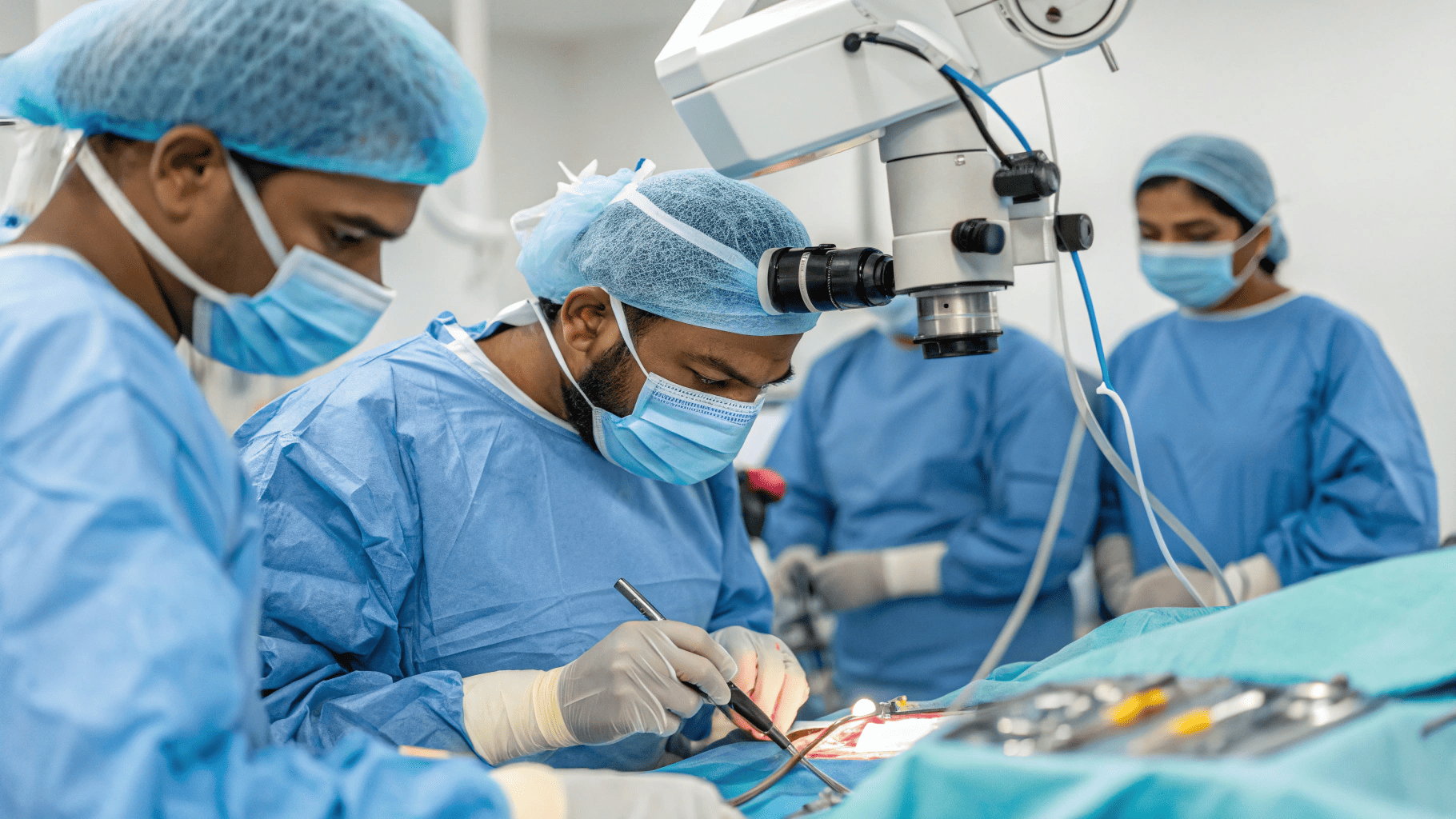
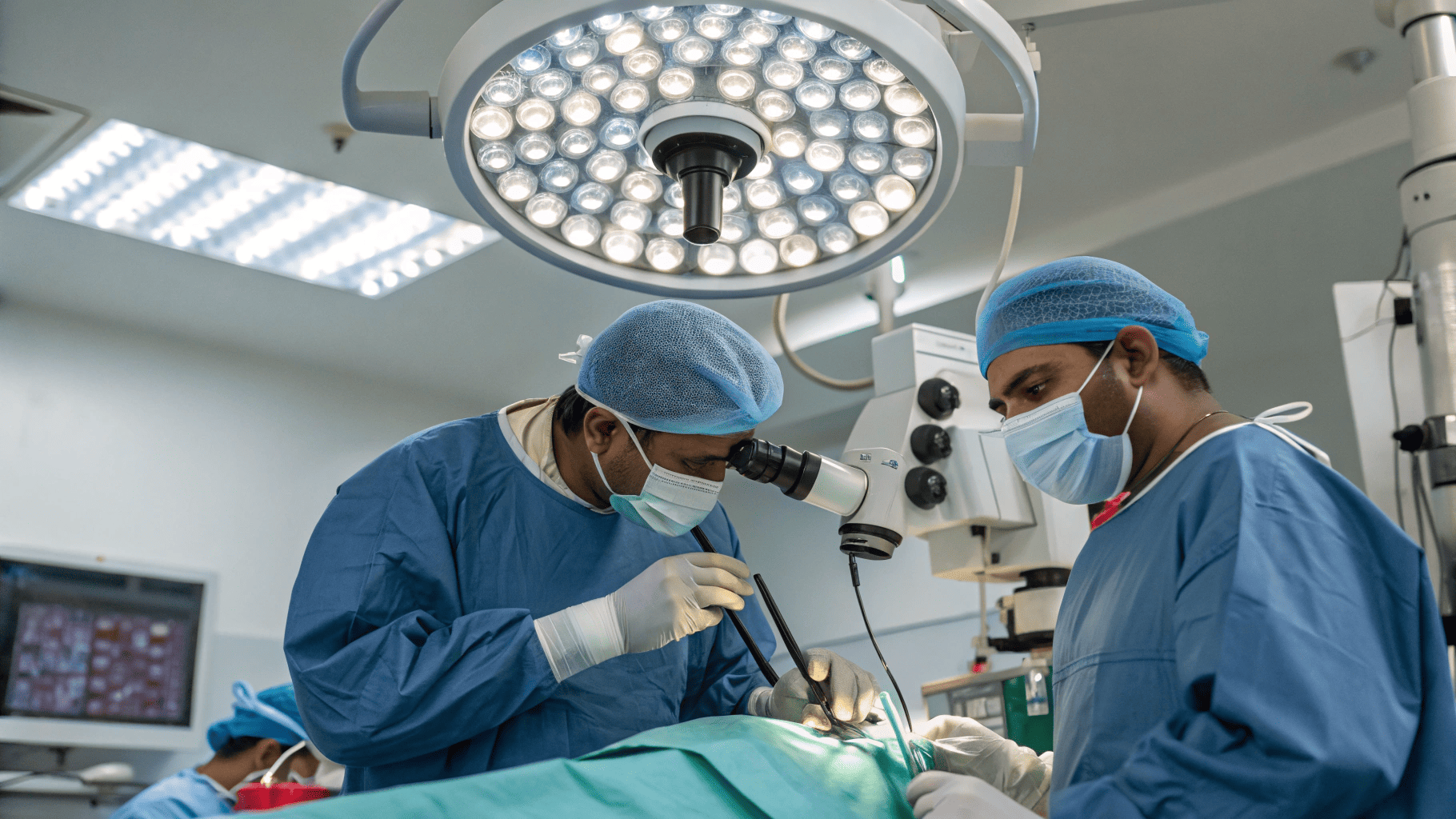
Microvascular Reconstruction

Free Tissue Flaps: Microvascular reconstruction involves the use of free tissue flaps, where tissue from one part of the body is surgically moved to another area with the help of microsurgery to reattach blood vessels. This technique is especially important in head and neck cancer reconstructions, such as after the removal of tumors from the tongue, jaw, or throat, which often require the transfer of tissue from other parts of the body (e.g., forearm, thigh, or back) to restore function and appearance.

Revascularization: By connecting blood vessels under a microscope, surgeons ensure that the transplanted tissue receives a proper blood supply, which is vital for healing and long-term survival of the graft. Microvascular surgery also allows for the restoration of complex tissues, such as skin, muscle, bone, and nerves. In certain cases, nerves can also be repaired or reconstructed to improve sensory function, particularly in areas like the face or hands.
Tissue Expansion and Reconstruction

Tissue Expansion: Tissue expansion is a technique used to create additional skin for reconstruction. A balloon-like expander is placed under the skin near the site of a tumor resection, and over time, it is gradually inflated to stretch the skin. This method is commonly used in breast reconstruction after mastectomy or for the restoration of other skin areas affected by cancer surgery. Once the skin is expanded to the necessary size, the tissue expander is removed, and the excess skin is used to cover defects.

Pediatric Considerations: Tissue expansion is particularly beneficial in pediatric cancer patients, as it accounts for future growth. For example, in children who undergo tumor excision in areas like the scalp, neck, or limbs, tissue expansion allows for the potential accommodation of future growth without causing distortion or functional issues.

NOA
NOA

3D Printing and Custom Implants

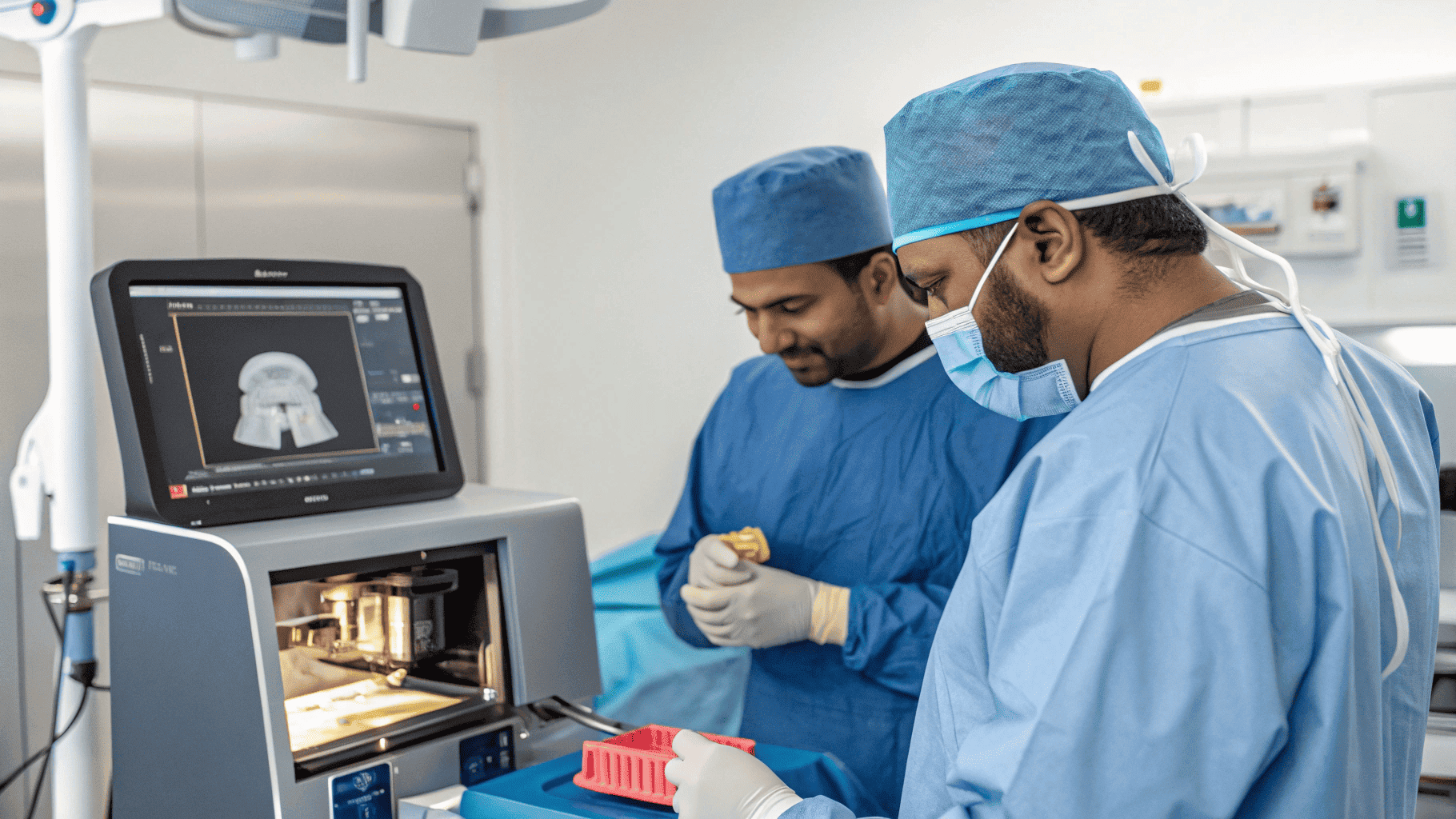
Custom Implants for Reconstruction: 3D printing technology has revolutionized reconstructive plastic surgery, particularly for complex reconstructions following the removal of tumors in the head and neck region. Surgeons can create custom implants or prostheses that perfectly match the patient’s anatomical structure. These custom solutions are designed based on highly detailed scans, ensuring that the reconstruction fits seamlessly, reducing the need for extensive revision surgeries.

Titanium Implants: In cases of significant bone resection, such as in the jaw or facial bones, 3D-printed titanium implants have been used to restore both function and aesthetics. These implants can be designed to restore bone structure and function, allowing for improved oral function and facial appearance. These implants are not only tailored for optimal fit but are also durable, biocompatible, and promote faster recovery.

Nerve Reconstruction and Restoration of Function

Sensory and Motor Nerve Repair: Nerve reconstruction is a vital part of many cancer surgeries, especially when removing tumors from areas with critical nerves, such as the head, neck, or limbs. Advanced techniques in nerve grafting and microsurgical nerve repair can help restore motor function (e.g., movement) or sensory function (e.g., touch, pain perception) in areas affected by tumor resection. This is particularly important in the face, hands, and feet, where nerve function plays a major role in daily activities.

Sensory Restoration in Facial Reconstruction: In head and neck cancer reconstructions, the reinnervation of the skin or muscle tissue using nerve grafts can restore sensation, which significantly enhances the patient’s ability to perform basic functions such as eating, drinking, and speaking. The psychological impact of restoring sensation, particularly in visible areas such as the face, can also be profound, as it helps cancer survivors regain a sense of normalcy.

NOA
NOA

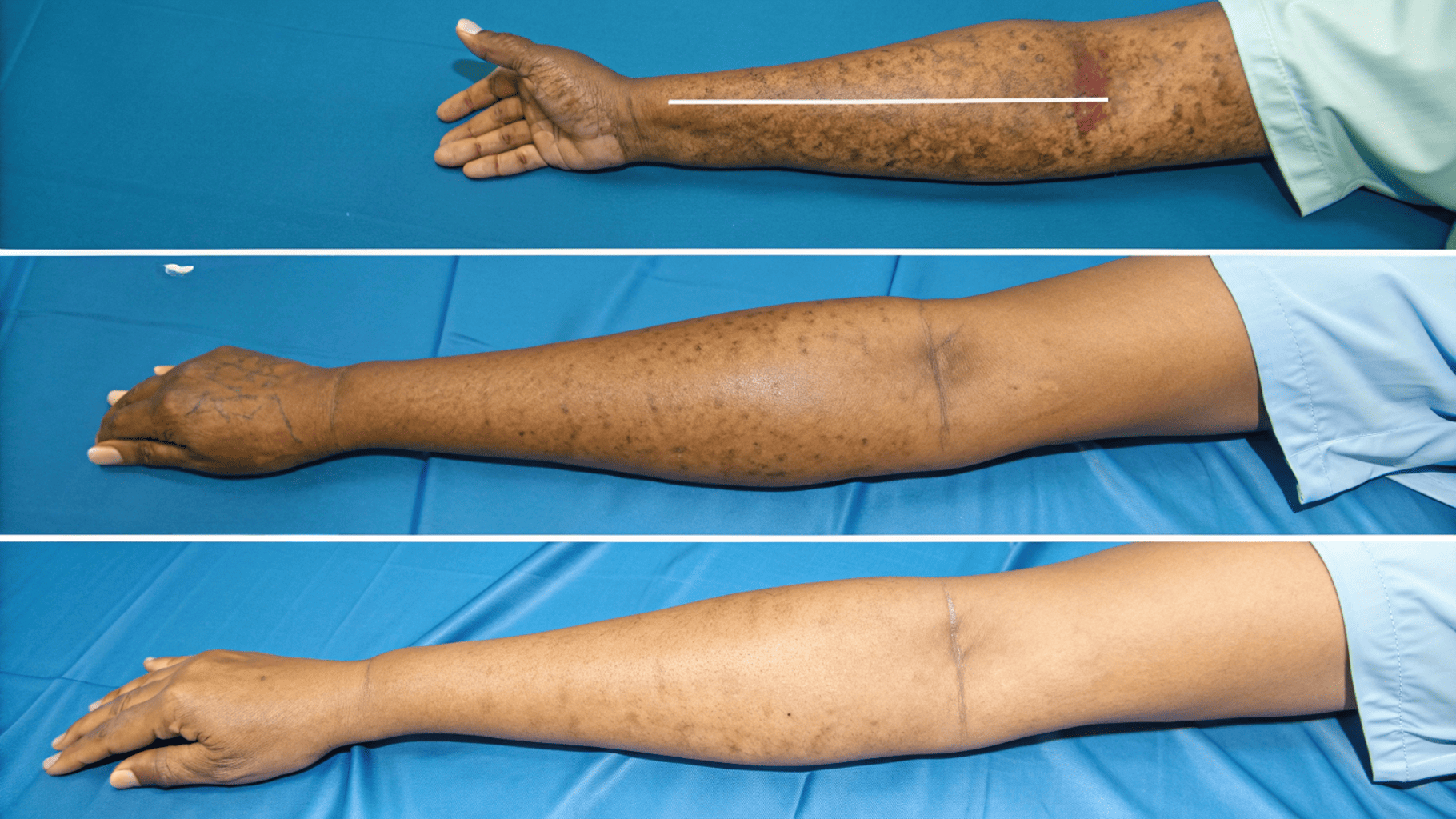
Lymphedema Surgery and Management

Lymphatic Surgery: Lymphedema, the swelling caused by the accumulation of lymphatic fluid due to disrupted lymph nodes or vessels (often after cancer surgeries like mastectomy with axillary node dissection), can severely impact a patient’s mobility and quality of life. Surgical interventions, such as lymphovenous bypass (LVB) or lymph node transplantation, can provide significant relief by re-establishing the flow of lymph fluid and reducing swelling. These techniques use microsurgical approaches to create new connections between lymphatic vessels and veins or transplant healthy lymph nodes to restore drainage.

Lymphedema Liposuction: In cases of severe, longstanding lymphedema, where fibrotic tissue has accumulated, liposuction (specifically, lymphatic liposuction) can be used to remove the excess tissue. This approach can significantly reduce swelling and improve functional outcomes, especially in the arms or legs.

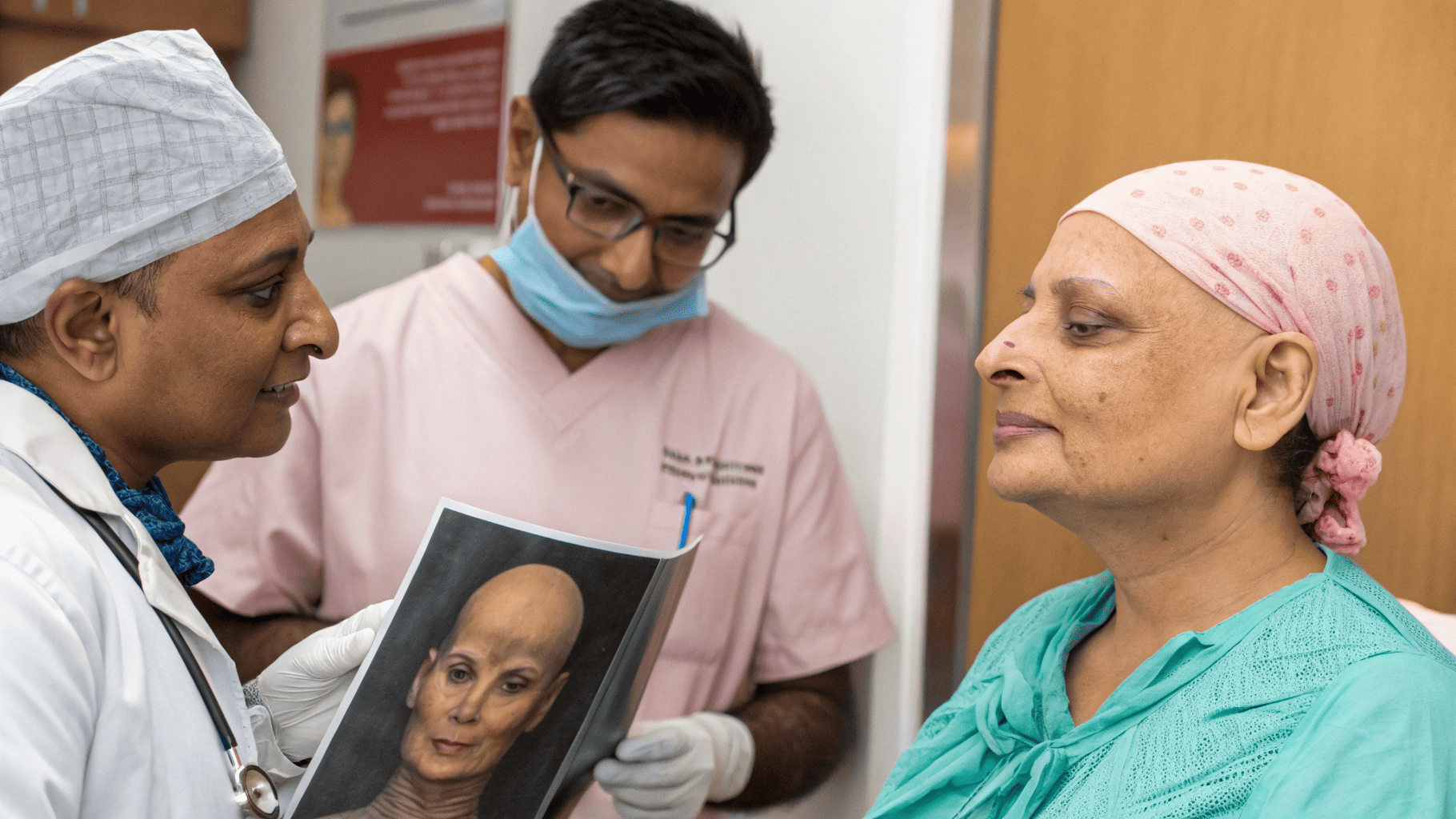
Psychological and Emotional Support

Body Image and Psychosocial Rehabilitation: Cancer treatment often leaves patients with significant changes to their appearance, which can have profound psychological effects. The role of plastic surgery in restoring a patient’s appearance is not just physical—it plays an important role in their emotional recovery. Restorative procedures, such as breast reconstruction or facial reconstruction, can greatly improve body image, self-esteem, and mental well-being.

Integrative Care: Plastic surgeons often work in collaboration with psychologists, counselors, and social workers to provide comprehensive emotional and psychosocial support to cancer survivors. In particular, body image counseling and mental health support are critical for patients undergoing significant reconstructive procedures. This integrated approach helps patients adapt to their new appearance, build confidence, and improve overall well-being.

NOA
NOA

Palliative and Cosmetic Reconstructive Procedures

Palliative Care and Aesthetic Restoration: For some patients, the goal of reconstructive surgery may not be functional restoration but rather the reduction of pain, discomfort, or disfigurement, especially in cases of terminal cancer. In these cases, cosmetic procedures like scar revision, removal of redundant tissue, or restoration of the body’s appearance can help reduce physical and emotional suffering. Even in palliative care, plastic surgeons can play a key role in improving the patient’s quality of life during the end-of-life stage.

Psychological Healing Through Aesthetic Restoration: Even for patients who may not be candidates for major reconstructive procedures, minor aesthetic interventions can have a positive impact on mental health. For instance, the correction of visible scars, facial asymmetries, or prosthetic fitting can alleviate emotional distress, helping patients regain a sense of control and identity.

Book Your Appointment Today

Your journey to better health
starts here at NOA.

Book Your Appointment Today

Your journey to better health starts here at NOA.

    Meet Our Doctors

    People behind our success

    Meet our exceptional team of highly skilled surgical oncologists, experts in cancer surgery. With extensive experience, they create personalized treatment. Committed to compassionate, patient-centered care, they strive for the best possible outcomes in the fight against cancer.

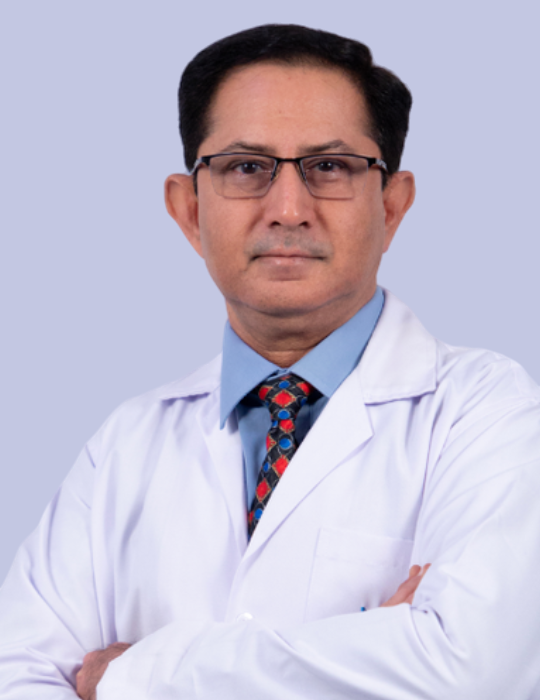
    Dr. Yogesh Bhatt

    Plastic and reconstructive surgeon
    Book Your Appointment Today

    Get Opinion from Experts

    Blogs & News

    Explore our latest blogs

    Discover the latest updates and expert opinions from the world of oncology and healthcare. Our blogs cover breakthrough treatments, health tips, and valuable insights to guide your wellness journey.

    Book Your Appointment Today

    Get Opinion from Experts