x
N
O
A

Head & neck Oncology
Surgery options
Surgeries
At Niramaya Oncology Associates, we provide top-tier healthcare treatment services, offering exceptional, personalized care tailored to meet your unique needs and ensure the best possible outcomes.
Oral Cancer Surgery
Oral cancer surgery aims at removing the cancerous growth with utmost accuracy so that other vital functions such as speech and swallowing are not compromised. The team here uses the latest methods and strategies and works in conjunction with other departments to provide the best possible treatment plans for each patient. This way, from the diagnosis through the rehabilitation process, we can offer seamless care that helps in quick recovery and enhanced quality of life.

Surgery for Thyroid Nodules & Cancer
The thyroid surgery aims at eliminating nodules, lumps or cancerous growths in a way that no other parts of the thyroid gland, vocal cords, or parathyroid glands are damaged. Our specialists employ the latest methods to address the condition and reduce risks to the highest degree. Thus, we offer a patient-centered approach, which includes diagnosis, treatment, and recovery with the aim of enhancing the patient’s health.
Parathyroid Tumor Surgery
The parathyroid tumor surgery that we offer at our facility entails the removal of the adenomas or hyperplasia while ensuring that other structures are not damaged. The surgeons here employ the latest methods and instruments to achieve efficient and safe results. Our comprehensive and patient-centered care begins from the diagnosis stage, through surgery, and ends at the recovery stage to improve the patient’s health and quality of life.
Surgery for Laryngeal & Pharyngeal Cancer (Throat Cancer)
Our experts are involved in performing accurate surgeries for tumors of the larynx and pharynx where we aim at removing the tumor while at the same time ensuring rehabilitation of speech and swallowing function. By applying innovative methods, we prevent the occurrence of adverse events and provide the best possible outcome. We provide comprehensive services ranging from diagnosis to rehabilitation to help improve the patient’s health and quality of life.
Surgery for Parotid Gland Tumors
This surgery is designed for the accurate removal of parotid tumors such that the facial nerves are completely protected. Our expert surgeons are trained in advanced techniques that minimize the risks and produce the best outcomes. We have combined approaches to patient care, so considering all aspects of diagnosis through treatment and recovery is primary.
Nose & Paranasal Sinus Cancer Surgery
Our surgeons do very precise surgeries on the nose and paranasal sinus cancers, ensuring total resection of the tumor along with all critical structures. We adopt the latest techniques for ensuring the least complications and best possible outcomes. From diagnosis to recovery, we provide personalized care that can improve health and quality of life.
Reconstructive & Rehabilitation Surgery
Reconstruction and rehabilitation surgery deals with the restoration of appearance and function following the treatment of cancer. Our experienced surgeons use advanced techniques to repair and reconstruct the affected area, ensuring a natural appearance and quality of life. From surgery to rehabilitation, we provide individualized care for smooth recovery.
Fast track your treatment
To book an appointment or speak with one of our friendly team, please get in touch using the option below.
Special Service
Specialized services
At Niramaya Oncology Associates, we provide top-tier healthcare treatment services, offering exceptional, personalized care tailored to meet your unique needs and ensure the best possible outcomes.

Microvascular Reconstruction
Microvascular reconstruction involves using advanced techniques to restore tissues and functions affected by cancer treatment. Our experts skillfully...

Speech & Swallowing Rehabilitation
Rehabilitation for speech and swallowing essentially focuses on regaining, for a patient, very essential functions affected by his...

Dental Rehabilitation
Dental rehabilitation deals with challenges in oral health arising from cancer treatment, restoring functionality, and aesthetics. Our experts...

Corrective Surgery for Functional Rehabilitation
Corrective surgery restores functionality and appearance that has been lost due to cancer treatment. Our specialists use up-to-date...

Image Guided Surgery for Parathyroid
Image guided parathyroid surgery uses sophisticated imaging technologies to accurately localize and remove tumors. It ensures more precise...

Intra Operative Nerve Monitoring
It's a great feature that has a direct application in intraoperative nerve monitoring to protect important nerves during...

Laser Assisted Procedures
Laser assisted treatments are now a minimally invasive form of treatment in the area of head and neck...

Transoral Robotic Surgery (TORS)
Transoral robotic surgery (TORS) is a minimally invasive approach to the treatment of head and neck cancers. Using...

Facial Re Animation
Facial reanimation surgery is designed to restore facial movement and expression after a therapy where facial nerves and...
Book Your Appointment Today
Your journey to better health
Your journey to better health
starts here at NOA.
Book Your Appointment Today
Your journey to better health starts here at NOA.
Meet Our Doctors
People behind our success
Meet our exceptional team of highly skilled surgical oncologists, experts in cancer surgery. With extensive experience, they create personalized treatment. Committed to compassionate, patient-centered care, they strive for the best possible outcomes in the fight against cancer.

Dr. Sachin Wani
Surgical Oncologist
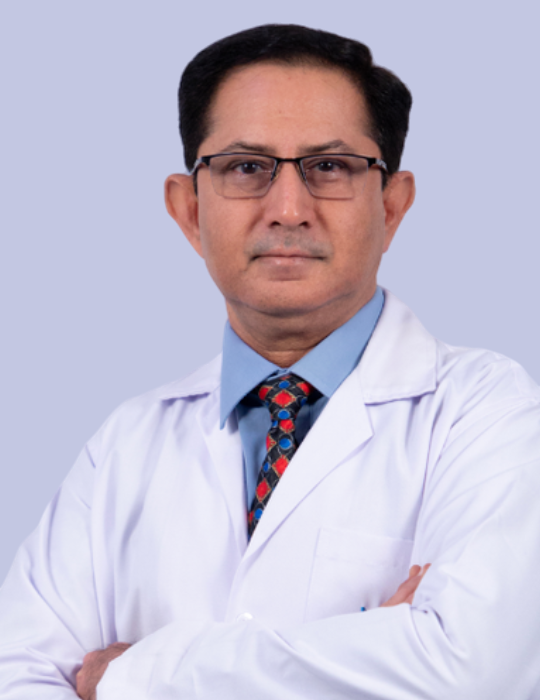
Dr. Yogesh Bhatt
Plastic and reconstructive surgeon
Testimonial
What Our Patients Say
Don’t just take our word for it—hear from our satisfied clients about their exceptional experiences partnering with NOA. They’ve shared glowing feedback on the personalized support and impactful results we’ve delivered.

Not just because of friendship but I am telling based on my experience with Dr. Nishith Modi that...

My experience is100 percentage success my mouth cancer surgery and five year by dr. sachin wani
Dr. Nishith Modi has been really professional and has shown true commitment to solve my health issues He...
Dr. Sachin wani is most efficient and experienced dr.in Vadodara. He treat my oral cancer very well before...
We really appreciate treatment given to my mom. Special thanks to Doctor Nishith Modi for his kind support
I have ongoing treatment for my wife MUMTAZ ARAB under ayushman card and our doctor Dr Nishith Modi...
Best cancer surgeon in hospital. Nishith Modi is so kind and when ever patient need him help he...
Media Room
Our Doctors in media
Meet our exceptional team of highly skilled surgical oncologists, experts in cancer surgery. With extensive experience, they create personalized treatment. Committed to compassionate, patient-centered care, they strive for the best possible outcomes in the fight against cancer.
Book Your Appointment Today
Get Opinion from Experts
Blogs & News
Explore our latest blogs
Discover the latest updates and expert opinions from the world of oncology and healthcare. Our blogs cover breakthrough treatments, health tips, and valuable insights to guide your wellness journey.


FREQUENTLY ASKED QUESTIONS
Do You Have Questions?
Below you'll find answers to the most common questions you may have on breast oncology.
-
What are head and neck cancers?
Head and neck cancers are a group of cancers that consist of cancer in the mouth, throat, voice box, nasal cavity, sinuses, or salivary glands. Most head and neck cancers begin in the squamous cells that line the mouth, nose and throat. These types of cancer are generally referred to as squamous cell carcinomas
-
What causes head and neck cancers?
Common causes include tobacco use (gutkha, pan masala, bidi, cigarettes), alcohol consumption and human papillomavirus (HPV) infection
-
What are the symptoms?
Symptoms vary by location but may include:
- Mouth ulcers that don’t heal
- Persistent sore throat or hoarseness
- Difficulty swallowing
- Lump in the neck
- Unexplained weight loss
-
What type of doctor should I see if I think I have head and neck cancer?
If you have a symptom of head and neck cancer, a timely diagnostic evaluation is essential to starting a treatment plan. An oncologist trained and experienced in treating head and neck cancer may diagnose your cancer and advise you on a treatment or combination of treatments tailored to your needs and your specific cancer.
-
Which tests are required for diagnosis of head and neck cancer?
Head & Neck cancer are diagnosed by physical exams, imaging tests (CT, MRI, PET scans), biopsy, and sometimes endoscopy.
-
What are the treatment options?
Treatment may include surgery, radiation therapy, chemotherapy, targeted therapy, or a combination of these depending on the stage and location of the cancer.
-
What is the surgery for head and neck cancer?
Surgery is generally the first-line treatment for head and neck cancer, with procedures designed to remove the tumor and affected surrounding tissue. Because of advances in robotic surgery techniques, some hard-to-reach tumors may be removed with less invasive technologies designed to improve recovery times, reduce pain and cause less damage to tissues and muscles critical to eating and other daily activities.
Depending on the patient’s needs and other factors, plastic surgeons may also repair areas of the head and neck using reconstructive microsurgery techniques, which involve rebuilding the nose, tongue or throat using tissues from other areas of the body, such as the thigh, abdomen or forearm.
-
Is head and neck cancer curable?
Yes, especially if detected early. The prognosis depends on the stage, type, and location of the tumor, as well as the patient’s overall health.
-
Can head and neck cancer come back after treatment?
Yes, recurrence is possible. Regular follow-up is crucial to monitor for recurrence or secondary cancers.
-
Can head and neck cancer be prevented?
While not all cases can be prevented, reducing risk factors such as tobacco use and alcohol consumption, practicing good oral hygiene, and getting vaccinated against HPV can help lower the risk.
-
What is the prognosis for head and neck cancer?
Prognosis depends on the type and stage of cancer, as well as overall health. Early detection and treatment can improve outcomes and reduce side effects
Book Your Appointment Today